
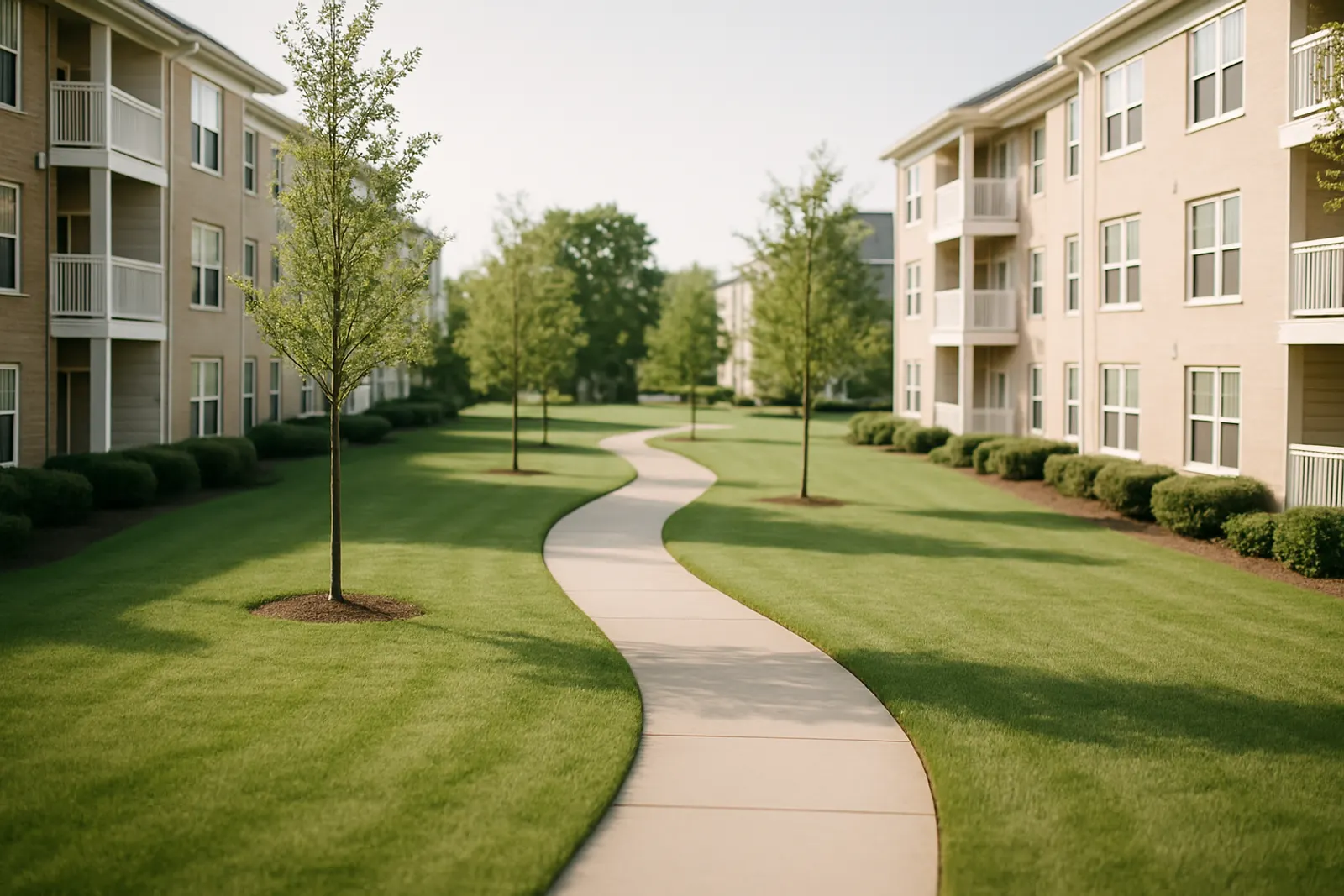
Commercial
Commercial Pet Waste Removal
Stations where residents actually walk, restocked before they run out, and common areas scoured on a schedule.
Per station, per visitA station in the wrong place is decoration. A station with no bags in it is worse than none at all. We site them where people actually walk and keep them stocked before anyone notices.
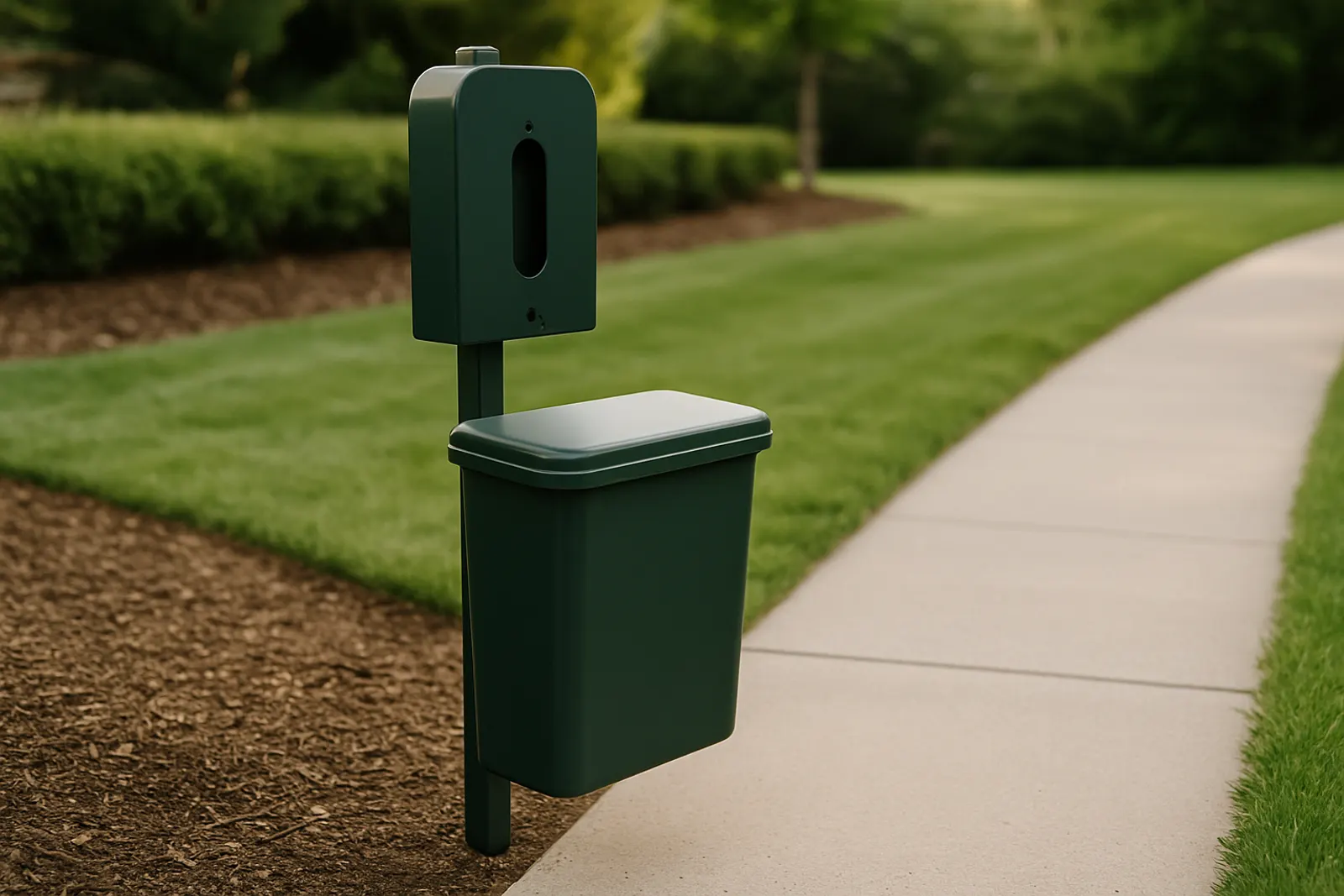
Two things make a pet waste station work, and neither of them is the station. The first is placement — within sight of where dogs are actually walked, at the decision point rather than fifty yards past it. The second is that it is never, ever empty, because a resident who reaches for a bag twice and finds nothing stops reaching.
We walk the property before quoting anything. Entrances, mailbox clusters, dog relief areas, the shortcut everyone takes between buildings, and the stretch of grass that already has a problem. That walk decides how many stations you need and where they go, and it usually produces a different answer than a map would.
After that it is maintenance: restock before empty, empty the receptacle, check the post and lid, and take the waste with us. On a schedule, without being asked.
Entrances, mailbox clusters, relief areas, the shortcut everyone takes between buildings, and the stretch of grass that already has a problem. That walk sets the station count and placement — not a per-unit ratio off a spreadsheet. No charge and no obligation.
Scope, frequency, cost per station per visit, and an annual figure with a monthly breakdown. Written to be read and voted on rather than negotiated. Adding or removing a station adjusts the number transparently.
Stations restocked before they run empty, receptacles emptied, hardware checked, common turf scoured. You get a visit-level service record for board packets and owner reporting, and one consolidated invoice.
Stations where residents actually walk, restocked before they run out, and common areas scoured on a schedule.
Per station, per visit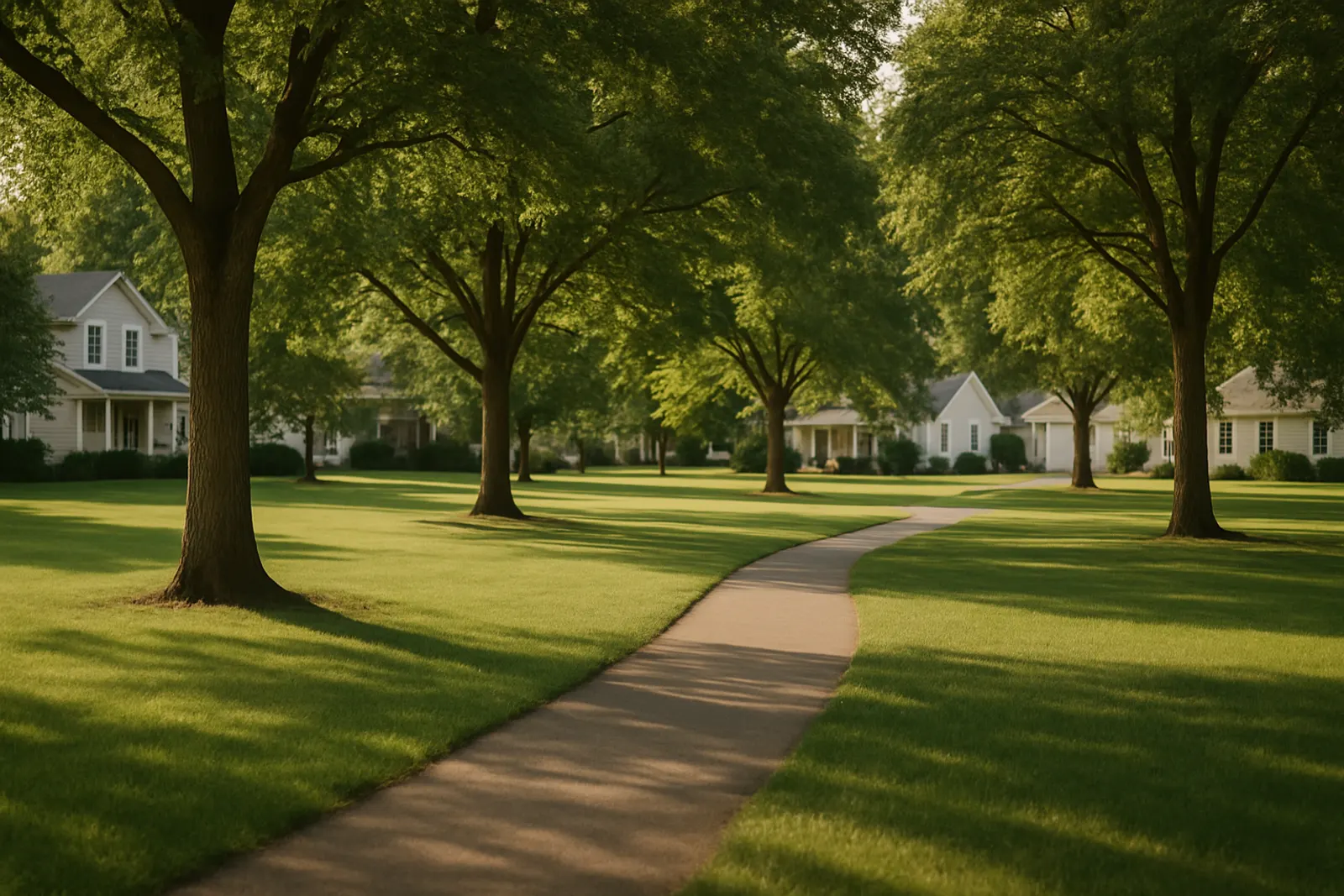
The complaint at every board meeting, solved by a vendor instead of another letter to homeowners.
Board-ready annual proposal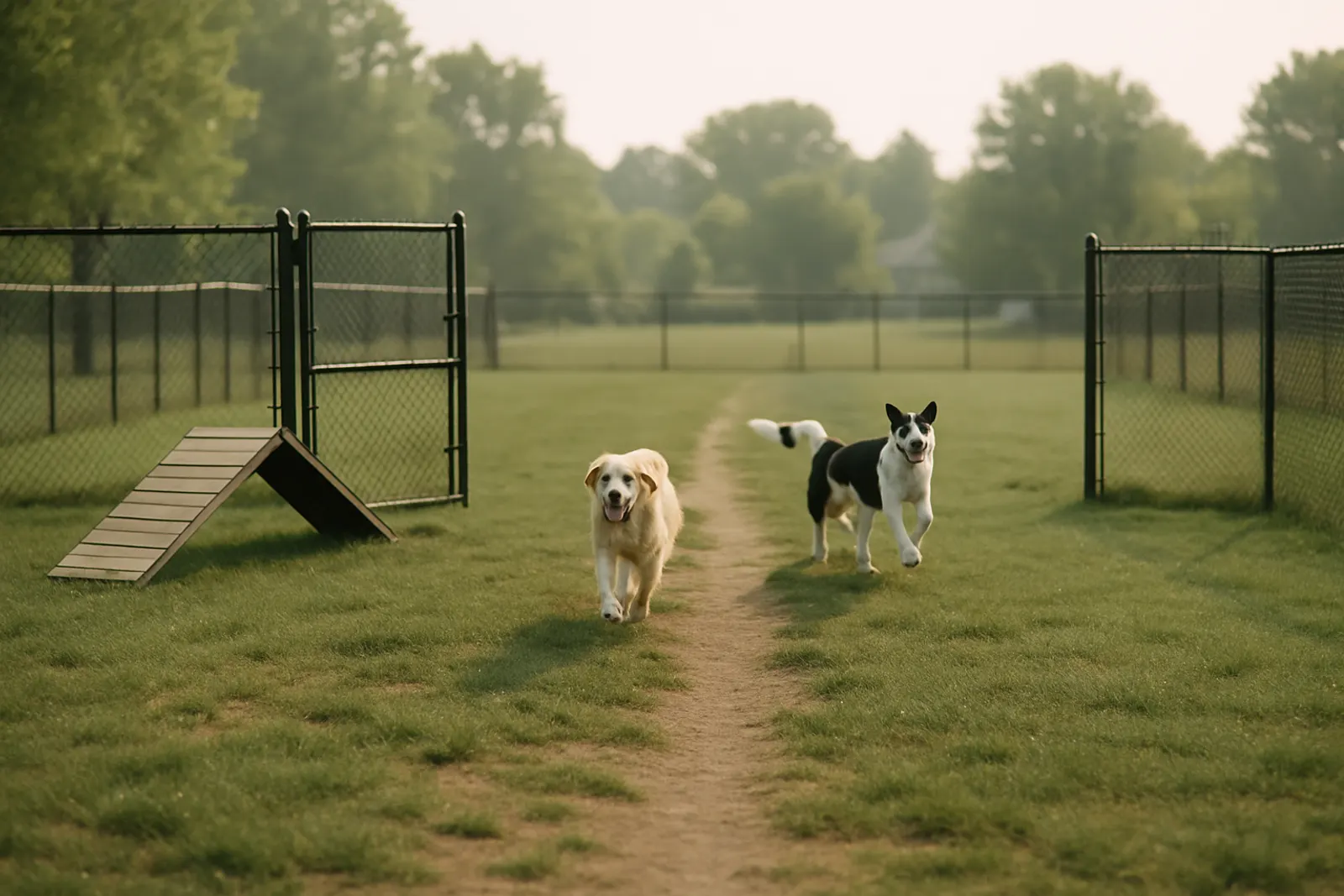
More waste per square foot than anywhere else we service, and the one place what gets missed spreads between animals.
Quoted on acreage and frequencyMost requested: Greenwood · Center Grove · Southport · Perry Township · Indianapolis
The common rule of thumb is one station per 30 to 50 units, or one every 300 to 400 feet along a walking route, with extras at entrances and dog relief areas. Layout matters more than the ratio though — we walk the property before quoting.
At decision points, in sight of where dogs are actually being walked, near entrances, mailbox clusters and along shortcuts between buildings. A station a resident has to backtrack to is a station that does not get used.
It depends entirely on traffic. A busy entrance station in a 200-unit community may need weekly restocking, while a station at the back of a townhome development might go a month. We track consumption per station and set the schedule from real usage rather than a guess.
Yes. We will maintain existing stations regardless of who supplied them, and we will tell you if any of them are in a spot that guarantees they will not be used.
A common working ratio is one pet waste station per 30 to 50 units, or one every 300 to 400 feet along a walking route, with additional stations at entrances and designated relief areas. Placement matters more than ratio — a station residents have to backtrack to will not get used.
Tell us about the property and we will set up a free site walk. Proposals are written to be read and approved by a board.
Prefer to talk? Call or text (317) 759-4500.