
Commercial
Commercial Pet Waste Removal
Stations where residents actually walk, restocked before they run out, and common areas scoured on a schedule.
Per station, per visitA dog park concentrates more waste per square foot than any other surface we service, and it is the one place where what gets missed spreads directly between animals.
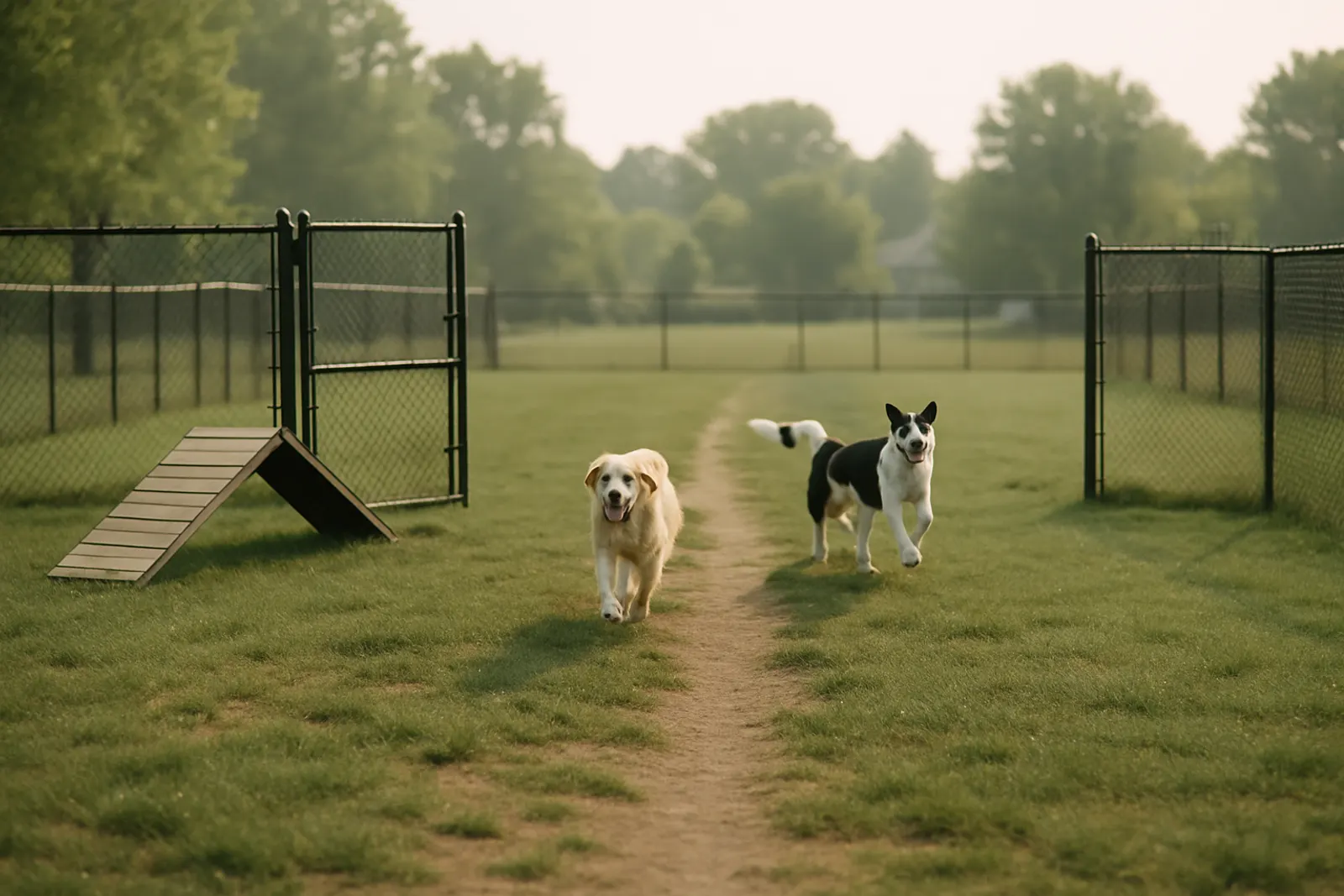
The density is the problem. Fifty dogs across a single fenced acre in a weekend puts more waste on that turf than a residential street does in a month, and every one of those dogs is nose-down in the same grass.
That makes frequency and sanitation matter more here than anywhere else we work. Public and private parks on a busy summer weekend genuinely need daily attention, and periodic sanitizing of the high-traffic entry area is worth doing rather than optional.
We also flag what we find. Gate latches, fence gaps, standing water and worn-through turf all get reported, because the person servicing the park twice a week sees things before the person who inspects it twice a year.
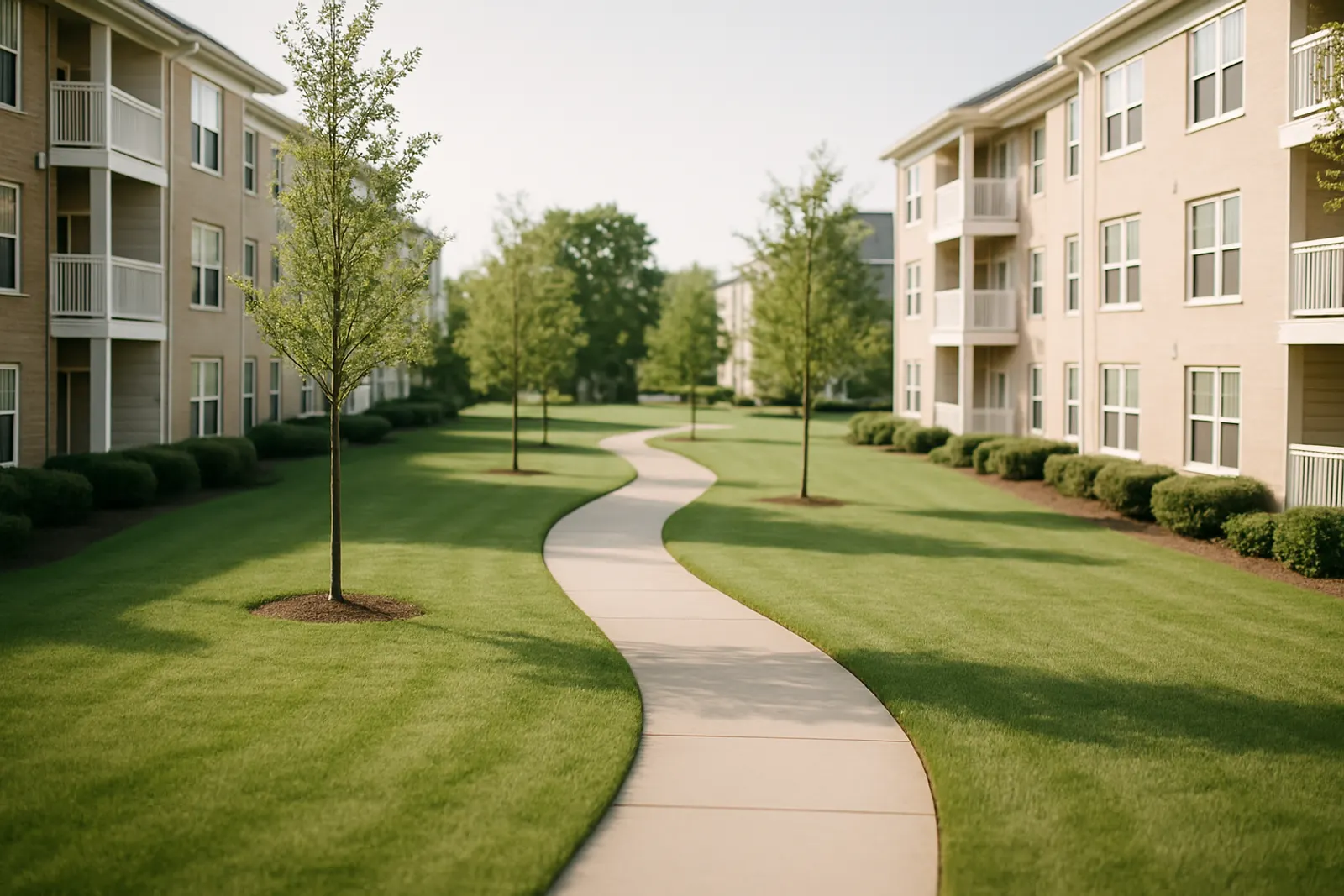
Entrances, mailbox clusters, relief areas, the shortcut everyone takes between buildings, and the stretch of grass that already has a problem. That walk sets the station count and placement — not a per-unit ratio off a spreadsheet. No charge and no obligation.
Scope, frequency, cost per station per visit, and an annual figure with a monthly breakdown. Written to be read and voted on rather than negotiated. Adding or removing a station adjusts the number transparently.
Stations restocked before they run empty, receptacles emptied, hardware checked, common turf scoured. You get a visit-level service record for board packets and owner reporting, and one consolidated invoice.
Stations where residents actually walk, restocked before they run out, and common areas scoured on a schedule.
Per station, per visit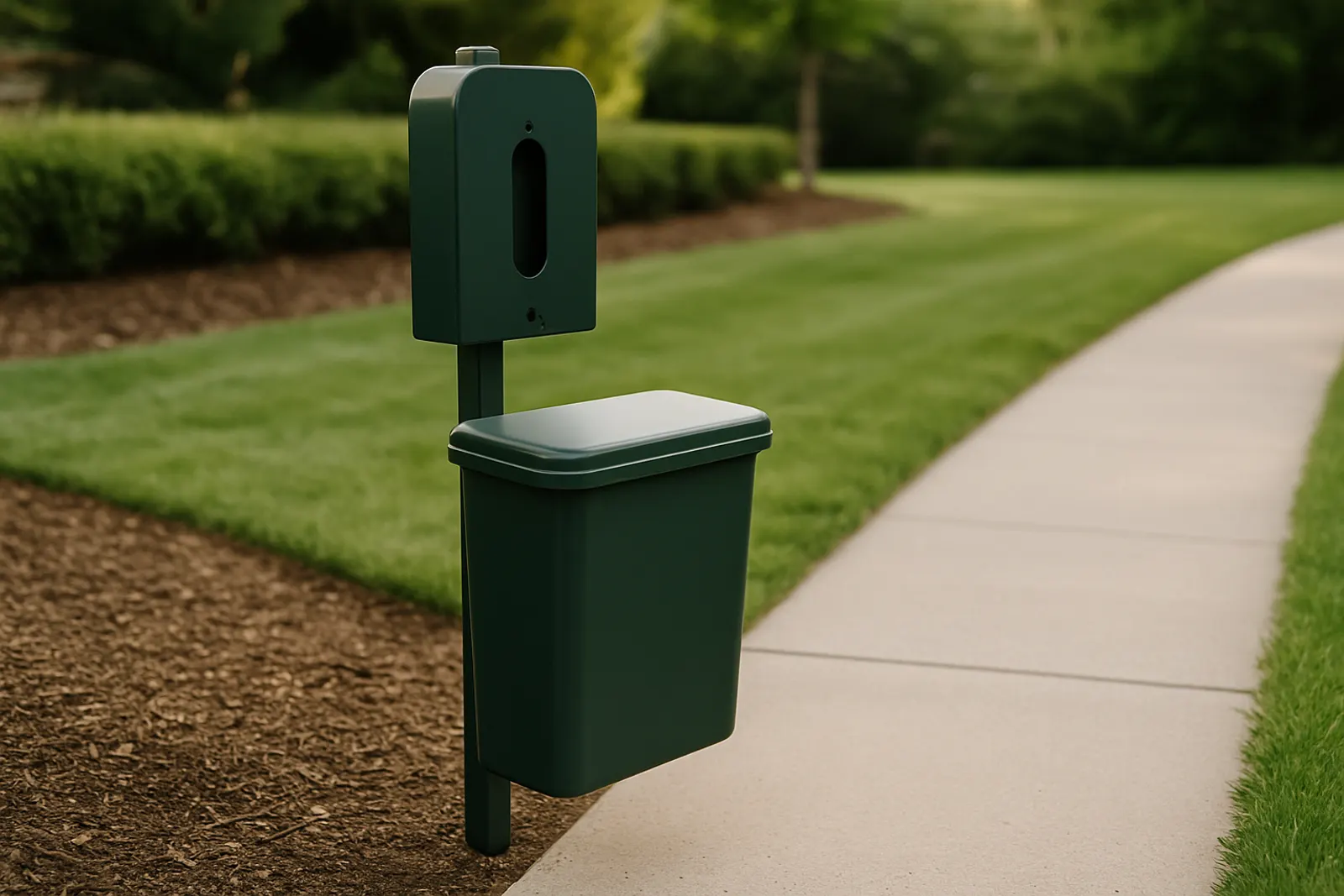
A station in the wrong place is decoration. An empty one is worse than none. We site them and keep them stocked.
Per station, per visit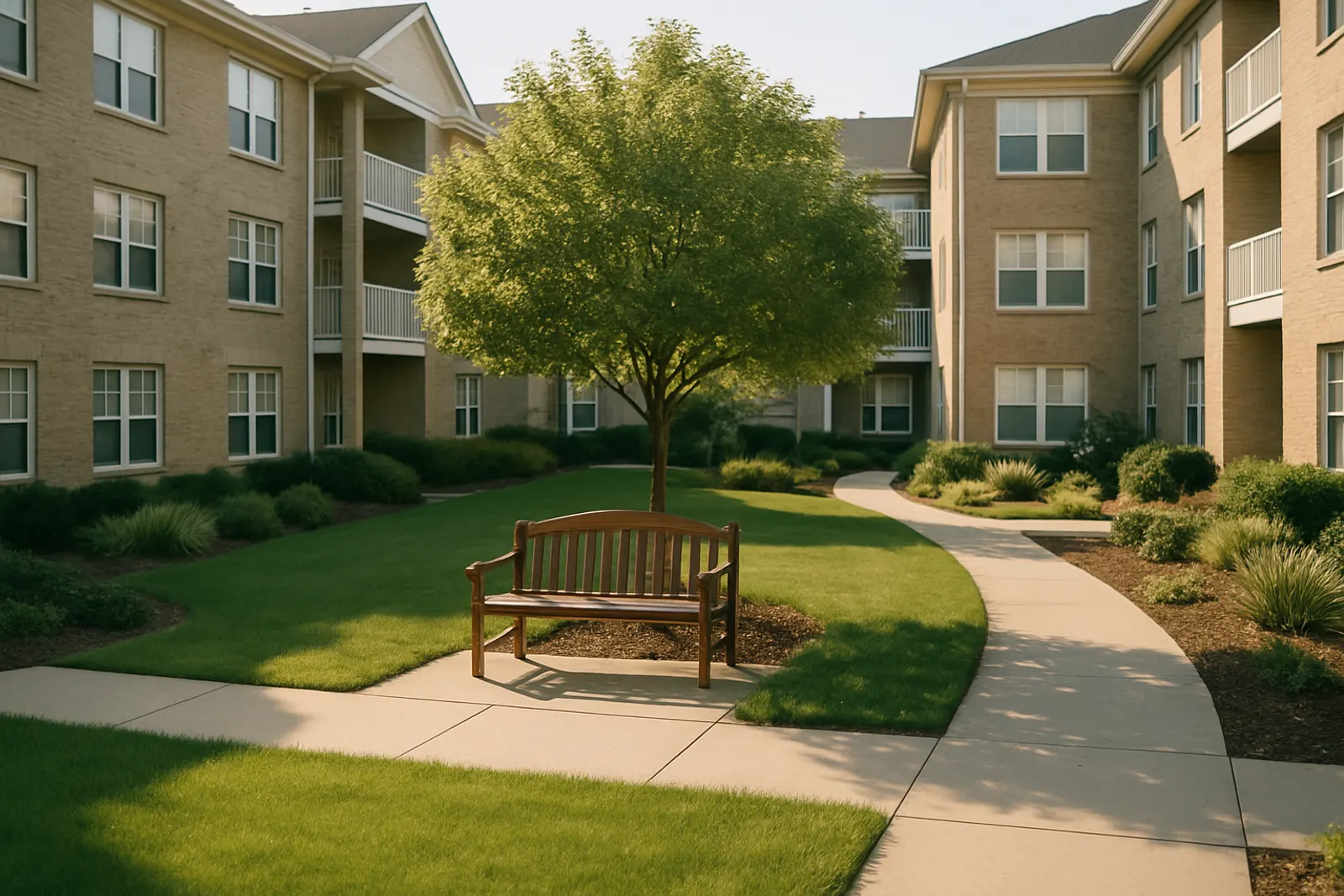
Pet-friendly is a leasing advantage right up to the moment a prospect walks the tour path.
Quoted per propertyMost requested: Greenwood · Center Grove · Southport · Perry Township · Indianapolis
Busy public parks need daily service in summer. A private community dog park with moderate use is usually fine on two or three visits a week. Below that, waste accumulates faster than users will pick it up and the turf shows it within two weeks.
Because of density and mixing. Many unrelated dogs share one small patch of ground, and parasites and viruses transmitted through feces move between them far more easily than they do in a private yard. Frequency and sanitation are genuinely a health measure here.
We sanitize high-traffic areas — entries, gates and the worn strip inside the fence where every dog stops first. Full-turf sanitizing is available and is usually scheduled seasonally rather than every visit.
Canine parvovirus is extremely hardy and can survive in soil and shaded outdoor environments for months, with some sources citing up to a year in favorable conditions. It resists most household cleaners. Prompt removal of feces is the single most effective thing an owner can do to reduce environmental load.
Tell us about the property and we will set up a free site walk. Proposals are written to be read and approved by a board.
Prefer to talk? Call or text (317) 759-4500.