Scoop at least weekly. One dog produces about half a pound of waste per day, so a week is roughly three to four pounds — the point at which grass starts yellowing underneath and flies begin completing a life cycle. Multi-dog households and small yards should scoop twice weekly.
The volume argument
An average dog produces between 0.5 and 0.75 pounds of waste a day. For a single dog that is three to five pounds a week. For three dogs it is ten to fifteen pounds a week sitting in a space the size of a suburban back garden.
Two weeks doubles those numbers and, crucially, doubles the *age* of the oldest material. It is the age, not the amount, that causes most of the problems below.
The fly argument
House flies and blow flies complete an egg-to-adult cycle in roughly seven to ten days in warm weather. Anything left in a yard for longer than that in an Indiana summer is not just unpleasant, it is actively producing the next generation of flies.
That single fact is the strongest case for weekly rather than bi-weekly service between May and September. Get under the cycle and the population never establishes.
The grass argument
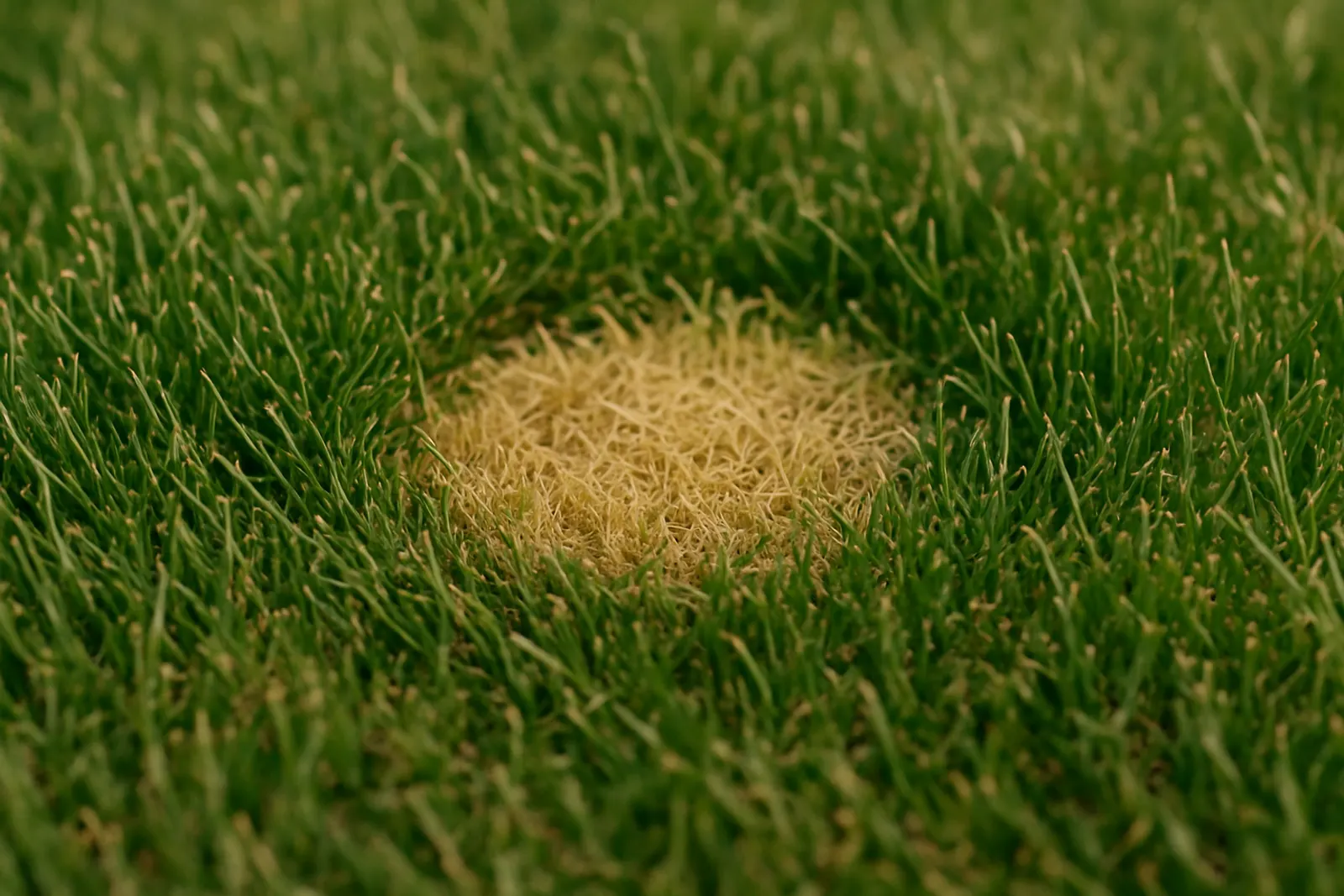
Dog waste is high in nitrogen and it does not distribute the way fertilizer does. Concentrated in one spot for a week or more, it burns the turf beneath it and leaves the yellow-ringed patches every dog owner recognizes.
Waste removed within a few days rarely leaves a mark. Waste left for two weeks in summer usually does, and the recovery takes far longer than the removal would have.
The health argument
A single gram of dog waste can contain around 23 million fecal coliform bacteria. Roundworm and hookworm eggs, which are passed in feces, need days to weeks in the environment to become infective — which means prompt removal genuinely interrupts the transmission window rather than merely tidying up after it.
This matters most in yards where children play and in multi-dog households where the animals are all using the same ground.
So what should you actually do?
One dog, average or large yard: weekly is enough.
One small dog, large yard, light use: bi-weekly usually holds.
Two dogs: weekly, without much argument.
Three or more dogs, or any number on a small city lot: twice weekly. The yard simply does not have the surface area to absorb it otherwise.
Any yard with young children using it: weekly minimum, regardless of dog count.
The one schedule that reliably fails is "when it gets bad." By the time a yard looks bad from the patio it is already several times more work than a maintenance visit would have been.
Key takeaways
- Weekly is the right default for almost every yard
- Flies complete a life cycle in 7–10 days — weekly gets under it, bi-weekly does not
- Nitrogen burn on grass shows up after roughly two weeks in summer
- Two dogs means weekly; three or more, or a small lot, means twice weekly
- "When it gets bad" is the schedule that costs the most in the end
We are a pet waste removal service working Southside Indianapolis — Greenwood, Center Grove, Perry Township, Southport, Beech Grove and the rest of the south side. Weekly plans start at $16.99 and there is no contract on any of them.